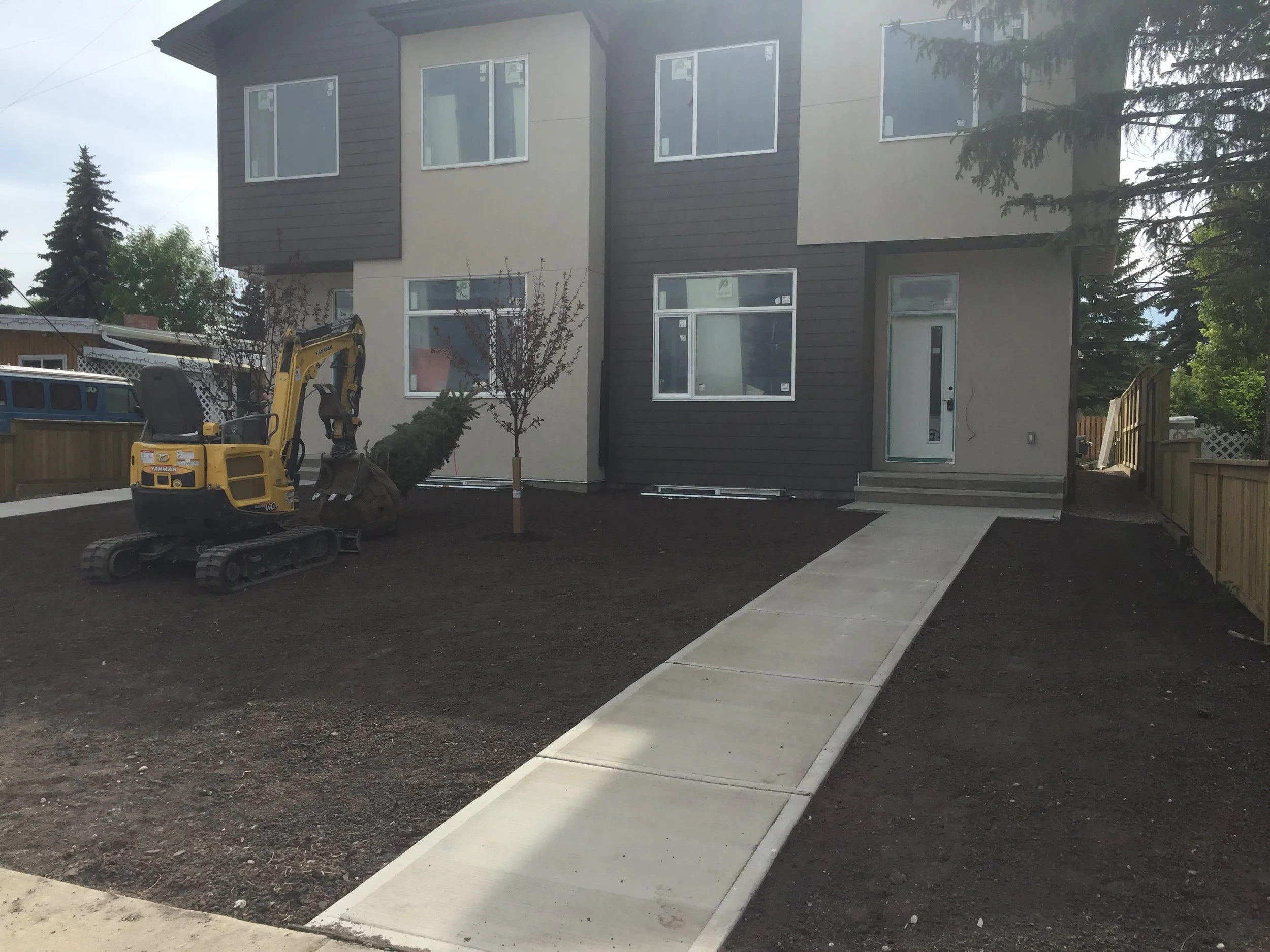
Appliance Delivery Day

Appliance delivery is another nice progress milestone in the project.  It also means a large load of recyclables to the depot.  We need the plumber to finish installing all of these appliances, because I don't like to make water connections myself.  For example, he must run the fridge water  line and connect it to the fridge, add the dishwasher drain line and supply, and do the gas connection to the oven.  All of this work is definitely in the realm of needing to know how to do it, which disqualifies this builder, particularly for the gas job.  I get to put in the microwave and trim kit (didn't fit, needs kitchen guy back), and the range hood (can't finish until the mechanical final), so basically I can't do anything except recycle (and pay bills, my two main roles in this project).

Ready to go in, we just need our plumber to return with his tools and know-how.

Ready to go in, we just need our plumber to return with his tools and know-how.


Fun with barn doors

Barn doors are always a nice show piece in a new house. They often save space too when entering a smaller room such as a walk in closet.  The semi detached project has benefitted from a couple barn doors and finally we were able to hang them (needed carpet and finishers to come back).  


IMG_4607.JPG

Closed.  


IMG_4608.JPG

Open.  

How Governments Outlaw Affordable Housing

Here is a reprint of a great article that was forwarded to me on a twitter feed (from a Calgary City Planner - is this a sign of generational change at the bureaucracy?).  Thanks Desmond for the link.  I read this article and was convinced this was written about Calgary, only to later realize it was written for any city, anywhere, where planning is heavily regulated by a local bylaw. I think many people in Calgary would agree that planning here shares many of the characteristics explored in this article by Ryan McMaken of the Mises Institute.     

My review of this article was taking place just as I watched land value in prized inner city locations take another jump upward (despite that we are still in a recession).  I wonder how much of housing cost  in Calgary is directly related to how hard it is to bring new supply to market, and how long and costly it is to appeal to Council for a land use change. I think Calgary is much easier (as hard as it is) to change land use than older established areas, such as in England, where the countryside is protected as green space or listed as a historic resource.  So while we have a tough time making progress with modernizing land use, we recently had the Main Streets initiative passed, which was essentially a mass rezoning program of a few key locations.  Calgary's local government has at least shown it has the willpower and ingenuity to make some small but meaningful changes, I am sure other areas have been in a planning gridlock for decades.   

How Governments Outlaw Affordable Housing

It's no secret that in coastal cities — plus some interior cities like Denver — rents and home prices are up significantly since 2009. In many areas, prices are above what they were at the peak of the last housing bubble. Year-over-year rent growth hits more than 10 percent in some places, while wages, needless to say, are hardly growing so fast. 

Lower-income workers and younger workers are the ones hit the hardest. As a result of high housing costs, many so-called millennials are electing to simply live with their parents, and one Los Angeles study concludedthat 42 percent of so-called millennials are living with their parents. Numbers were similar among metros in the northeast United States, as well.

Why Housing Costs Are So High

It's impossible to say that any one reason is responsible for most or all of the relentless rising in home prices and rents in many areas. 

Certainly, a major factor behind growth in home prices is asset price inflation fueled by inflationary monetary policy. As the money supply increases, certain assets will see increased demand among those who benefit from money-supply growth. These inflationary policies reward those who already own assets (i.e., current homeowners) at the expense of first-time homebuyers and renters who are locked out of homeownership by home price inflation. Not surprisingly, we've seen the homeownership rate fall to 50-year lows in recent years. 

But there is also a much more basic reason for rising housing prices: there's not enough supply where it's needed most. 

Much of the time, high housing costs come down to a very simple equation: rising demand coupled with stagnant supply leads to higher prices. In other words, if the population (and household formation) is growing quickly, then the housing supply must also grow quickly — or rents will rise. 

Moreover, where the housing gets built is a key factor. We cannot speak of housing supply for an entire metropolitan area. Metro areas are composed of a wide variety of employment centers and neighborhoods. The mix of employers and workers varies from place to place depending on tolerable commute times, local industries, and geography. 

In an unhampered market, of course, as rents rise, housing developers will respond by building more housing where it's needed most — and thus potential prices are highest. Rents will then fall in those areas and developers will stop building housing — or build in other places — until rents rise again. Or, in response to rising rents, current homeowners will turn their homes into boarding houses. Others may build so-called mother-in-law suites over their garages. The number of ways to expand housing is actually quite long. 

But, as everyone who's ever tried to do any of these things knows, we most certainly do not live in an unhampered market. In fact, the production of housing is one of the most regulated and micro-managed industries in the industrialized world. 

City planners control what sort of housing can be built — and where — through zoning and land-use laws. These central planners tell us where housing must be single-family or multi-family. They tell us if you're allowed to rent out one of your bedrooms to a non-relative. They tell us if you can build an auxiliary housing unit on your property. 

With so much government planning at work, the effect has been rising home prices and a higher cost of living. And again, those who suffer the most tend to be those with the lowest incomes. 

This is then made even worse by "urban renewal" schemes in which privately owned low-cost housing is bulldozed by governments to make room for trendy shopping districts or for government-owned or subsidized housing. 

The Rise of Zoning and Land-Use Laws 

Prior to the rise of widespread zoning laws — which became especially popular after the Second World War — housing production was far more responsive to market demand. In areas where there was a housing shortage, many families rented out rooms to what was a booming industry of boarding houses in the nineteenth century and early twentieth century. Residential hotels were popular among the elderly and those living alone. 

Over the past 100 years or so, thanks in part to control-freak Progressives who demanded "communistic" boarding houses be shut down, cities began to take over as planners who decided what sort of housing people were allowed to live in. 

Over time, this newfangled method of central planning has become immensely popular, and we can no longer say that city planners and local governments are forcing their vision on a disgruntled and resistant public. 

Government Controls on Housing Are Very Popular 

Indeed, in many areas, it is the private-sector homeowners who most demand that every new townhouse, every new apartment building, and every new storefront be controlled, evaluated, and ultimately controlled by government bureaucrats. 

Modern outer suburbs in most metro areas are notable for extremely detailed zoning. But even in traditionally more laissez faire inner areas (laissez-faire in terms of zoning) communities have been moving toward even more stringent zoning laws to prevent diversity and decentralization in land use.

We've all seen it at work over and over again in many of these older inner suburbs: A landowner realizes the housing demand has increased in the area and attempts to put a four-unit building where a single-family home once stood. 

Naturally, this change will create more housing, bring down rents, and, of course, allow a private-property owner to exercise his rights as an owner. 

But, in many cases, the private-property owner quickly finds he has no such rights. 

The neighbors, who don't want to live near a row of townhouses or have more cars parked on the street will protest to the city government, demand a zoning hearing, and fight to ensure that only a single-family unit is allowed on the lot. In many cases, they'll use the increasingly-popular tactic of "downzoning" in which people who earlier bought property with the hope of developing it later will be robbed of their property rights. They'll be told: "sorry, that thing we once said you could do with your property — you can't do that anymore." This is done so that the community's other residents can maintain the status quo in that neighborhood until the end of time. 

At the same time, employment continues to expand in nearby commercial areas, so employees — instead of living in inner suburbs — must move further and further outside the urban area and commute on taxpayer-funded roads. 

Nor is this problem limited to what many view as primarily residential areas. Even on major thoroughfares, nearby residents will protest new apartment buildings because they are believed to be unsightly, or will create more local traffic, are are simply something different they don't like. 

The "solution" in this case is to shift traffic somewhere else — to the suburban freeways, for example — and shift the cost to statewide taxpayers who now must foot the bill for extending infrastructure ever further outward.

In all these cases, one group of voters uses the power of government to force costs onto some other group of voters in some other area — and onto the workers who must live further and further from employment. This is all done to save the "character" of the neighborhood. But it's really done because many homeowners have no qualms about using the power of the state to prevent other property owners from using their own property as they see fit. 

The Band-Aid: Subsidized Housing and Inclusionary Zoning 

Often, many residents who fight tooth and nail to prevent any increases in housing density or creation of more housing are the same people who say that "something must be done" to make housing more affordable.  

Having caused the shortage of housing in places where people actually want to live, our "progressive" advocate for low density and exclusionary zoning may then attempt to sooth his conscience by advocating for a small number of subsidized housing units nearby. Or, he may demand "inclusionary zoning" which mandates that developers set aside a certain percentage of all new units as "affordable" units with legally-imposed limits on how high prices can go. 

This, of course, does precious little to solve the problem. The subsidized units that get built are usually very small in number, and only get built after years of winding their way through the zoning and approval process. The inclusionary zoning tactic is even worse because the mandate for low-rent units discourage developers from building anything at all in that jurisdiction. 

Thus, new production of housing continues to fall behind regional population growth, and rents and home prices continue to rise. 

We Need More Housing of All Types 

The solution to this is more housing. Not more "affordable" housing and not necessarily more "high density" housing. Housing, after all, is extremely heterogeneous. Indeed, two identical houses built a block apart are not the same — thanks to differences in location. But types of housing vary widely in nature. There are high-rise apartment buildings, single-family homes, duplexes, boarding houses, and townhouses. 

Which is the best type of housing to build in any given location? Thanks to the immense diversity of renters, homeowners, locations, neighborhoods, and unit types, no person can say. In fact, it's impossible to know the answer without allowing property owners and consumers to function within the marketplace. Property owners will attempt to build housing where they feel it will best satisfy market desires. Consumers will attempt to move where housing best suits their desired lifestyle. 

City planners would have us believe they can figure this all out ahead of time. 

They can't. 

Nor should we trouble ourselves with mandating that builders create housing that caters to low-income houses. The problem isn't too little low-income housing, per se. The problem is too little housing overall. 

After all, for every new unit built — even if it's a luxury unit — the housing supply increases, prices will fall ever so slightly, all else being equal. Over time, the cumulative effect of new units built for a wide variety of price levels will be to bring housing prices down overall. As new luxury units are built, the wealthiest renters and homeowners will tend to move into newer and fancier units. The older now-less-demanded units will fall in price making them more affordable to lower-income buyers and renters. 

Today's luxury units are tomorrow's affordable housing. 

Unfortunately, thanks to the continuing role of government in housing production, attempting to meet the needs of renters and buyers continues to be an exhausting quest to deal with an endless assortment of ordinances, mandates, regulations, and plans. The current planners don't want more housing. The government planners only want a certain type of housing. Meanwhile, the renters live in smaller and smaller units, and drive further and further.  

But there's one thing of which we can be sure. "Capitalism" will be blamed for it all. 

The high cost of development land in Killarney is going to make the area too expensive for most buyers

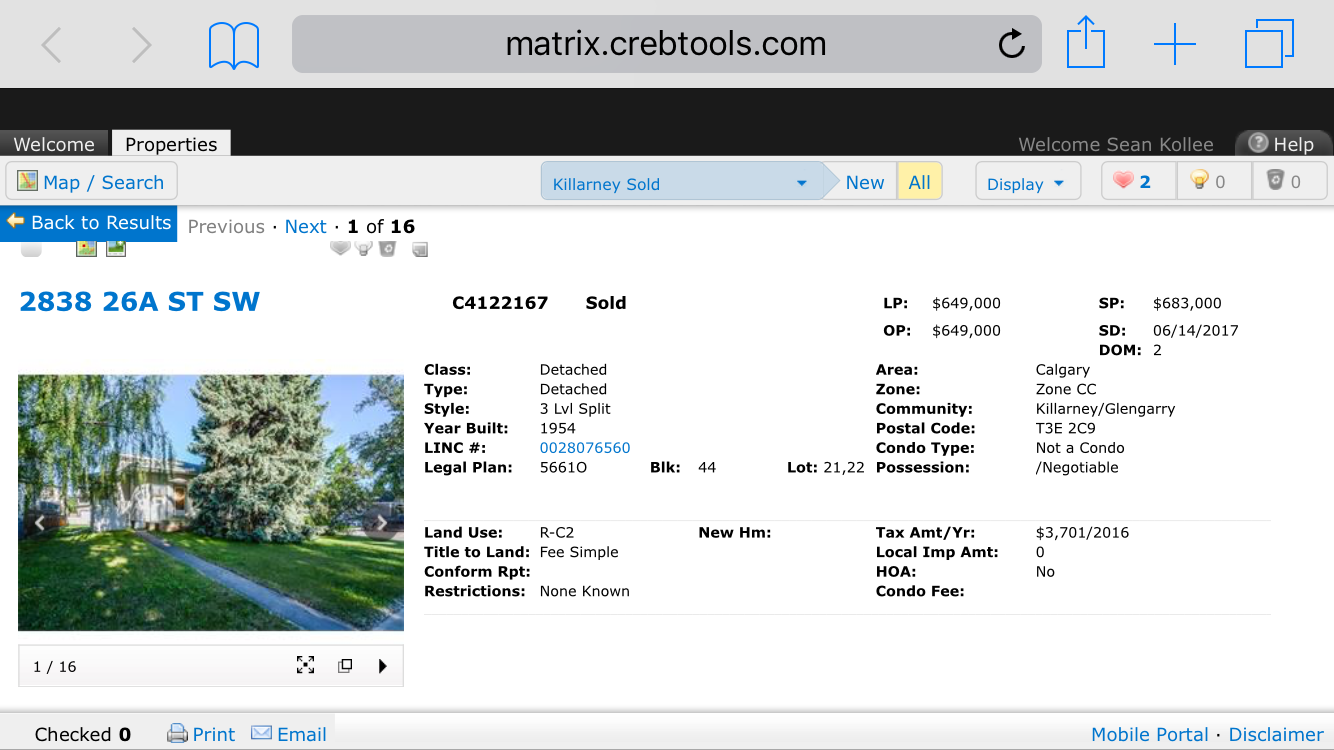
There seems to be no end to the escalation in Killarney land value over the past 10 months.  With prices now apparently higher than ever before including the peak of spring 2014 (and rising) finished home values are likely to have a higher floor value as well.  

This will also have implications for the cost of buying homes in the areas to the west of Killarney that up until now have had fairly reasonable land values.  Once again my advice to potential buyers is they either should have bought already (last year) or need to prepare to pay more in 2018.  


IMG_4598.PNG

Is this the high land sale for 2017? The year is only half over so we can't know for sure.  Hard to imagine prices higher than 683 for 50 ft. Nice site though.  

Vertical motion doors

The kitchen design features some really nice Blum hardware.  After some delays and part number confusion we've got the material installed. Looks good.  


Closed  

Closed  

image.jpg

And open. 

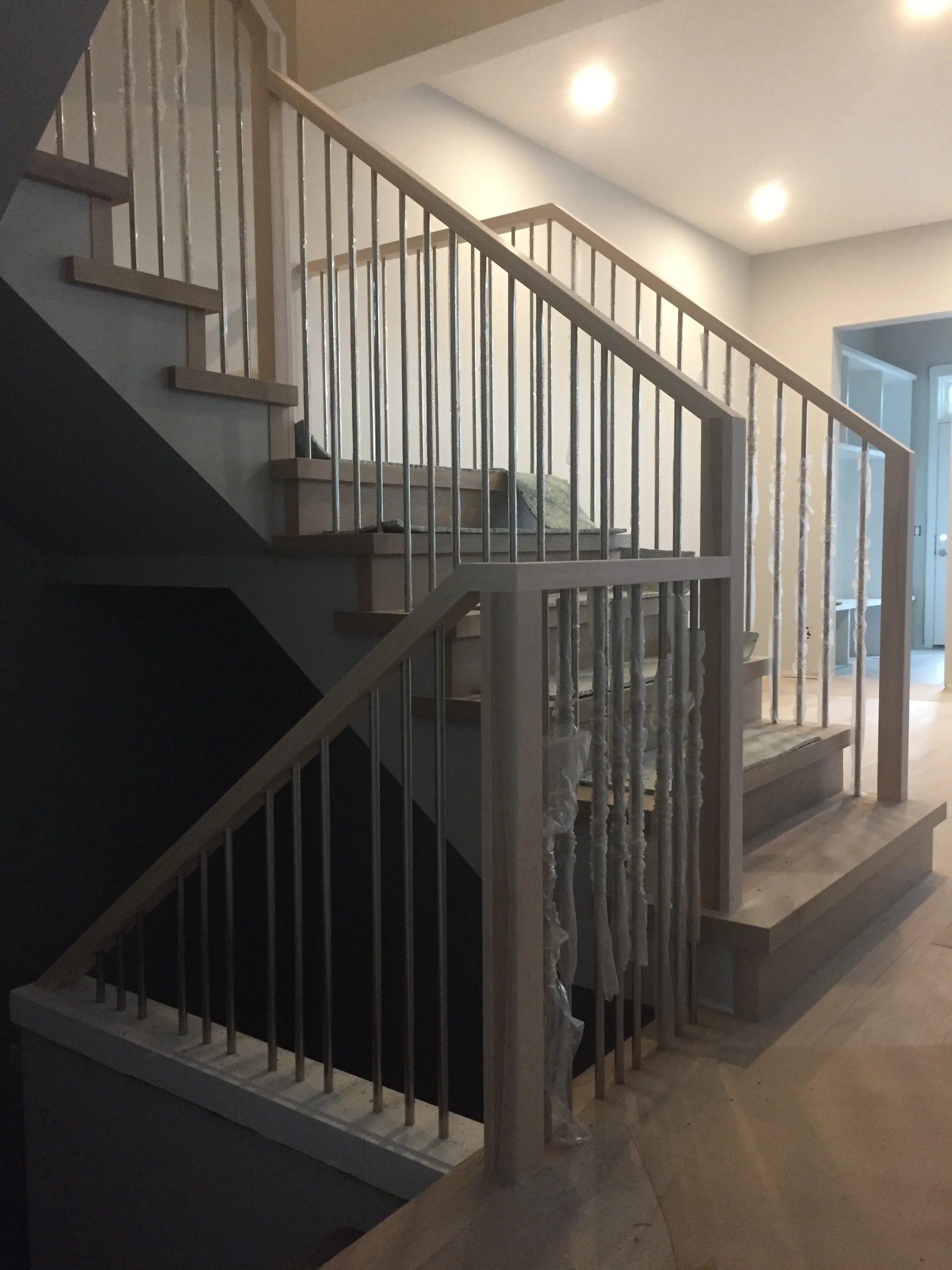
Spindle railing complete

The second railing project is ready for paintwork.  With this job finished we can carry on with the final stages of the interior.  Up next are rehanging the doors, trim work, and appliances. 


IMG_4591.JPG

 This railing project is done.  We've even got our led pot lights operating.   

How inflation is under-reported

Many categories make up a household budget. Generally housing is largest, followed by food and transportation.  Entertainment is a far lesser discretionary item.  We've noted on this site in the past the crazy inflation in land value we have seen over the past 20, or even 50+ years.  

The government likes to under-report inflation, this way its benefit programs that are linked to the consumer price increase don't go up as much as they should, and its debt total is eaten away by inflation without it having to be actually repaid.

So we have a society with vastly under reported inflation and artificially suppressed interest rates such that individuals borrow more than they should (in order to compete for products and services from other people who are also borrowing more than they would if rates were higher).

At some point these distortions in the economy have to show up.  Home values is the big one the gets the most media attention, but concert tickets get some coverage as well, due to the sticker shock and fees.

1998, ticket price was $22.50, $5.25 service charge was a whopping 23% of ticket value...ticketmaster back then was already a public enemy

1998, ticket price was $22.50, $5.25 service charge was a whopping 23% of ticket value...ticketmaster back then was already a public enemy

2017, Same band, ticket price is now 550% of twenty years earlier.  Service fee is 'only' %14 of ticket face value.  However, the gross service fee represents almost %100 of the actual ticket price from 20 years prior.  

2017, Same band, ticket price is now 550% of twenty years earlier.  Service fee is 'only' %14 of ticket face value.  However, the gross service fee represents almost %100 of the actual ticket price from 20 years prior.  

Forecasting trends is impossible with these exponential type price increases, because these figures don't seem sustainable.  In another 20 years, will the same show cost $687?  This is the problem with compound numbers, they can get too large to be manageable.  It seem more likely to me the cost of the ticket price in 20 years would be $68.70, because the government would have to issue a 10:1 reverse split on money (if they don't, a $5 bill would have the value of a 50 cent coin).  

The biggest winner in this inflation race may be the government that collects %5 gst on the total cost of $143, so it takes in $7 on every ticket (x 10,000), that is a lot of money.  The other winner is the band, they make more money now in a single show than they would have on an entire 50 stop tour in 1995.  With crazy ticket prices like these maybe the $800k Altadore lot isn't so bad...

Spindle railing

We've got an even split between glass and spindle railing on the project. The spindle job is nicely progressing.  Because of the stiffer spindle structure compared to the glass we can skip a middle post.  It makes for a nice look.  


IMG_4586.JPG

Almost done.  

Demo before and after

With demo pretty much done with the exception of letting the brush dry out for a while so it takes less bin space we can now see the bare site.   

Unfortunately the two good trees at the front of the lot had to go. Basically the conflicting city priorities led to their demise. We've apparently got to dig out a drywell and pour a concrete box to catch floodwater. Between this and needing new sewer and storm connections the trees were just in the way and likely doomed.  With that info now pretty much firmed up I had to make the decision to remove them now while I had machines. We also scraped the first six inches off everything. This makes the fences site better and also makes space for loam later (far far later).  

This photo doesn't due justice to the massive hedge that we removed along the north property line.  

This photo doesn't due justice to the massive hedge that we removed along the north property line.  

Ready for permits !  No more hedge

Ready for permits !  No more hedge

Carpet ends

Experienced trades are pretty quick at what they do.  This is shown by the productivity of the carpet crew. Three guys were able to finish off almost two houses in one day.  With  carpet complete we can move along with greater confidence to finalizing the rest of the interior. 


IMG_4577.JPG

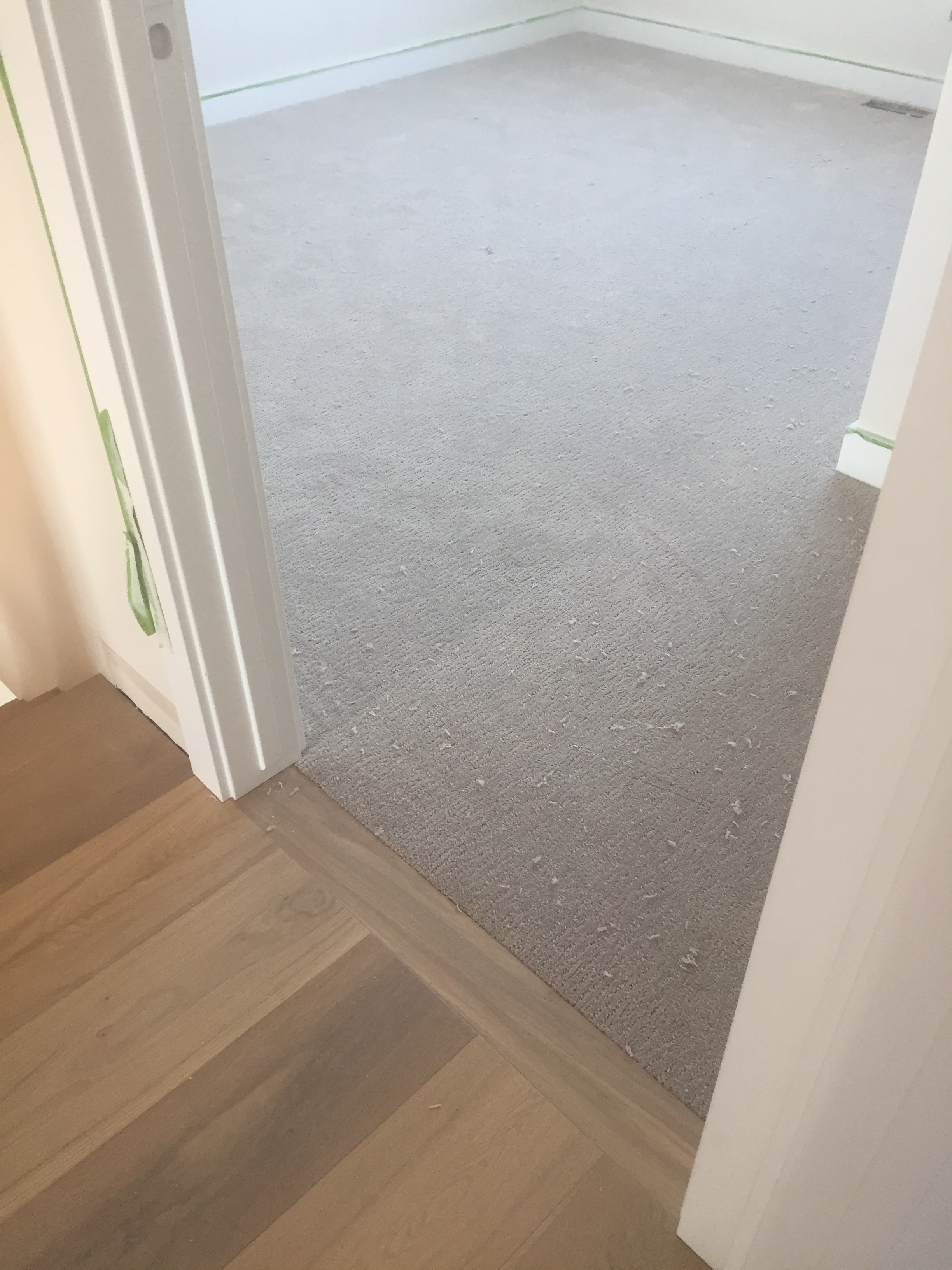
nice hardwood carpet transitions  

IMG_4578.JPG

basement is looking very complete  


IMG_4579.JPG

stairs to basement are finished.  

Carpet begins

Carpet install at the semi detached project was moved up to the weekend due to crew availability. This was ok with me however I needed to get the vacuum work done faster than anticipated.  Ideally carpet is placed in very clean floors and the subfloor is checked for lumps of drywall mud or leftover nails sticking out of the wood.  

The crew planned to finish both houses this weekend which seems a little ambitious given that they didn't start until Saturday night.  

The work week begins tomorrow and we have railing, possibly finishers back, appliances and more garage exterior work. If we are lucky we will also have electrical meters installed and the lights will turn on in all the rooms.  


IMG_4573.JPG

Underpad is down and this means the carpet is ready to go  

Demo progress

We are moving slowly at the demolition site.  I don't have any construction permits, nor any expectation of having them soon.  Given this, I asked the excavator just to do it on the side whenever he wasn't too busy digging basements.  

He has it torn down just to the concrete component.  He will be segregating the concrete for recycling, and it will need to be quite uncontaminated to make sure he can get a reduced tipping rate.  The basement was made of cinder block, a common technique in the old days of residential building.  The block walls seem to hold up pretty well, this one could have lasted another 50 years.  The house itself was in rough shape, so nobody seems sad to see it gone.  

Not much left of the old house. The monster hedge will get torn out soon and left in the sun to dry, hopefully it will shrink a lot and not fill another dumpster.

Not much left of the old house. The monster hedge will get torn out soon and left in the sun to dry, hopefully it will shrink a lot and not fill another dumpster.

Lots of sod

We ended up installing over 1800 sq ft of sod in the front.  The remainder of the week is looking hot so I will be keeping it watered.  Now would be a good time to update the photos of the MLS listing we have for the side that remains for sale.  The sod always makes a nice transformation from construction site to move in ready house, sort of like drywall being painted.

The sod looks so much nicer without a dandelion infestation.  I'm not sure how they maintain it so well at the sod farm.

The sod looks so much nicer without a dandelion infestation.  I'm not sure how they maintain it so well at the sod farm.

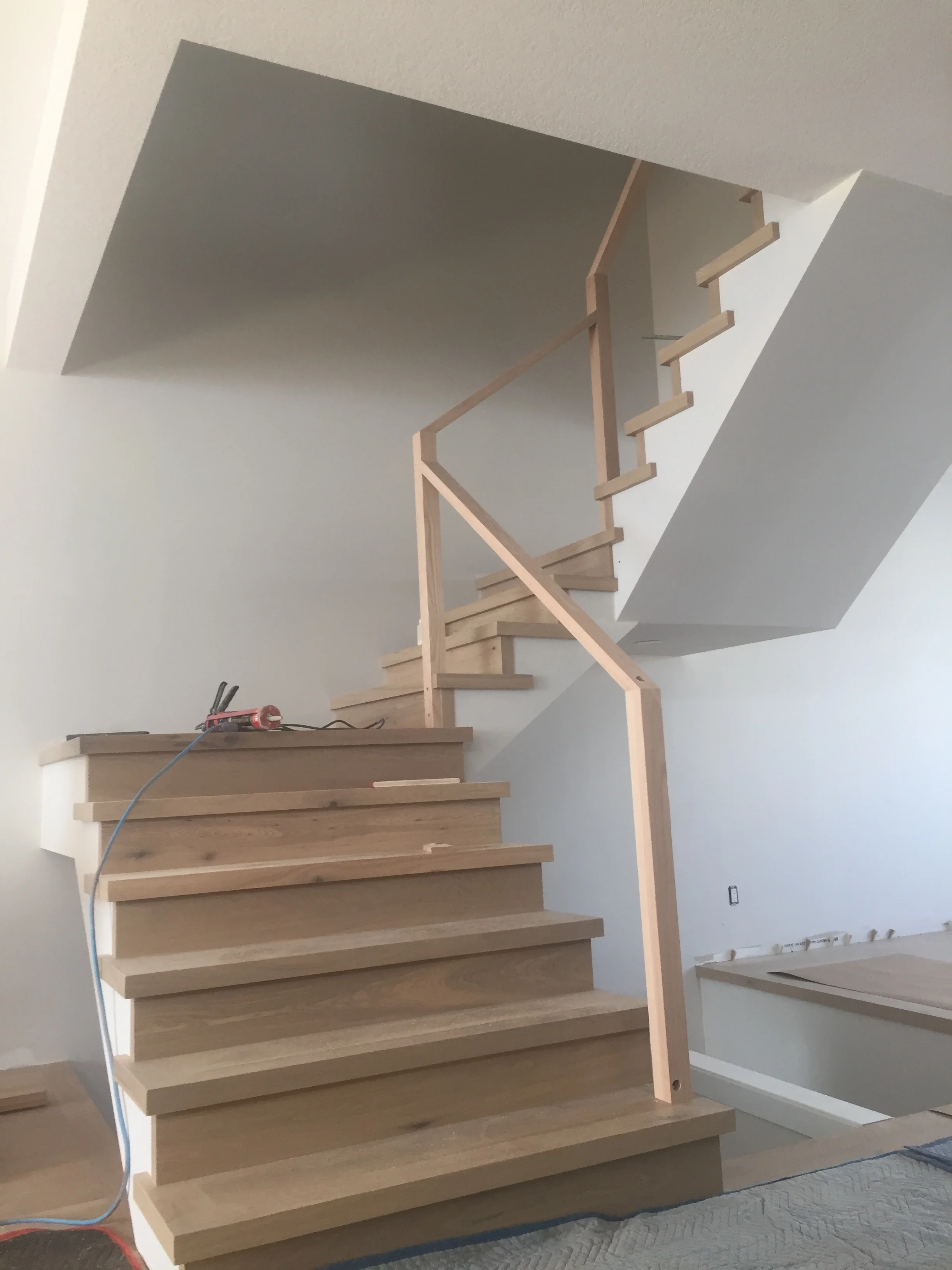
Stair Railing

We have one of my favourite trades back on the site now. John does the railings for me, he also can build stairs but the cost to hire him to do that is more than a little frightening. I like the way he does his railings so I have used him a few times, fortunately he made some time in his schedule for the current project

The stairs in the first house are going to have glass infill panels. The finished product should have a nice minimalist look and not be too hard to keep the glass pieces clean.  

Day 1 of the railing install was mostly just set up and planning, but John was able to put in a few posts in the afternoon.  He may finish tomorrow, and we can move on to the next one.

Day 1 of the railing install was mostly just set up and planning, but John was able to put in a few posts in the afternoon.  He may finish tomorrow, and we can move on to the next one.

Landscaping progress

The moment has definitely arrived to finish the exterior on this project.  Landscaping is one of the final tasks. Our crew is back with loam and gravel so the front yard is prepped for sod and the sideyard are finished with crushed stone. 

With the garage only lacking siding, soffit, fascia and trough, the rear yard is not quite ready for landscaping.  We will push on and get the garage completely done in the next week or so. The remainder of the week will be a continuation of interior finishing with hardwood and railings on the schedule. 


IMG_4553.JPG

the rough grade work we did on this site was very effective and we didn't need to haul away much material at the loam stage.  Sod and some gates are likely going in tomorrow.  

The City takes (well deserved) abuse in the media for landfill management

The City often gets its share of abuse in the media, 'Silly Hall' type stories related to its overly political nature, bad choices for art pieces, bridge procurement, etc.  However, in this instance it is truly justified.

The City decided to cut some cost and lay off some landfill workers.  This led to a bizarre four day schedule rotation at the three main landfills.  So on Monday, only one landfill is open.  During the busy season (now), there is a massive amount of landfill activity.  With the long daylight hours, crews get busy early, landscape crews are doing spring cleanups, and construction has noticeably picked up.  All this means the landfill has been total chaos.  The worst part is getting out. It can take an hour of idling in line (behind 100 trucks) to get out of the pay and scale area.

The problem here is the landfill is user pay.  It costs at least $20+ dollars to even take a tiny load to the dump, a minimum charge. My last load cost $35, it was 300 kg.  The City, if it manages the landfill properly, it should make a lot of money on small loads.  What it can't do is take an extra hour from the day of working people to make them sit in line.  When you are paying $30 to dump a little trash, you don't want to waste your day there, nor should you given how much it costs.

The problem with the landfill is you have to weigh in and weigh out in order to calculate the bill.  It is very slow, and only two windows are open.  The situation we have now is the two incoming scales will be closed at 5 pm, but the two outgoing scales will have 100 waiting trucks in line.  I called the City complaints line and mentioned it took me almost an hour to get out of the landfill, and there was no way I can afford to waste that much time to drop of $35 worth of junk. I wont be back, I have since hired a crew with a larger truck to load and haul my waste (last load was $212, ouch).  This is the ever increasing cost of business in Calgary.  

To its credit, someone from the City called me back and we discussed what needs to be done. The obvious answer is to use the incoming weight scale to also be used to let users pay and get out.  That could double the capacity of the payment system and likely eliminate the problem.  Another answer is to just charge smaller loads by the truck rather than make them weigh in, and let those customers out another exit.  That could speed up the process by another 10-20%.

These are easy solutions without cost.  Can the City act quickly enough to make these changes?  This is a good test of City management to see if it can act more like a business and less like a bureaucracy.  Given dump rates, it owes the customers a vasty better service standard.

landfill for web2.png

Garage progress

At this point the garage is ready for shingles and siding.  We've got the garage doors and openers installed now, and the electrical meter bases installed on the sides of the garage are inspected and approved.  Inside the garage we need to fire rate the middle party wall, which consists basically of insulating the stud spaces and hanging type x drywall on either side. With this work planned for tomorrow we can recall the inspector and wrap up the project.  This is just in time as we need to landscape the rear of the yard, and we don't want to landscape until the garage is completely finished.  

The doors are in and we can proceed with our siding and shingles.  Garage building is a vastly easier task than house building.  It almost seems like the garage builds itself.  I wish my houses would go up as smoothly.  

The doors are in and we can proceed with our siding and shingles.  Garage building is a vastly easier task than house building.  It almost seems like the garage builds itself.  I wish my houses would go up as smoothly.  

The temporary power pole can be taken down and the permanent power connected.  This is something the enmax crew can do in about a half hour...but they aren't likely to be able to get to me for a few days.  So we are back to using long exte…

The temporary power pole can be taken down and the permanent power connected.  This is something the enmax crew can do in about a half hour...but they aren't likely to be able to get to me for a few days.  So we are back to using long extension cords, not ideal for the finishing work.

Notes on Garage building and City Bulletin RB14-011

New rules came into effect recently for garage slabs.  Essentially the older method of garage slabs is no longer allowed for slabs above 55 m2.  I dont recall ever building a garage smaller than 55 m2, so this surely caught my attention.  All manner of costly engineered solutions were introduced, some of which I reviewed and found to be utterly lacking in common sense, incorporating costly and cumbersome details that nobody in the construction industry wanted to execute.  I provided some of these details to a concrete crew and was essentially told to piss off and find someone else.

During the time the City Bulletin on this matter was brought to my attention, I was browsing another builders' garage slab that was under construction. I noted that not only were none of the conditions of the bulletin met, none of the costly engineered details were being incorporated either.  I have since come to realize that the builder in question had just resorted to a common technique, I call it 'engineer shopping'.  What can happen is someone with a project will canvass a  few engineers, and then select the one that was able to provide a detail most acceptable to the already existing practices of the builder.  This would be done entirely for cost reasons.

Regardless of the ethics of this approach, the industry has become so competitive that avoiding work is possibly the only way to extract profit from a project.  Adding on layers of what the builder feels is useless or unnecessary work is to be avoided.  

I had a couple options, including engaging in some engineer shopping.  I didnt want to do this, but I for sure could not use the engineer I already had.  I interpreted the bulletin, and with assistance from my new engineer was able to incorporate the information in the bulletin and come up with a workable stamped drawing, which we've since built.

I have since encountered multiple situations where builders, who, do to being busy, or not reading their own engineering, have adopted unworkable details for the garage, or have had the detail presented to them and actually read, and rejected it.  Most humorously, a builder friend, not reading his own plans, went ahead and built the slab according to commonly accepted practice, and now has to retrofit it somehow to look 'more' like his drawing.  I even warned them before the work was done that they were doing it wrong, and I challenged him to show me his plan, which he did, and I noted the exact detail we were discussing earlier as the detail that led me to change engineering firms was the one he had!  

The interesting thing about builders is they often don't access the industry through some white collar office work.  They grind their way from a trade like stucco or framing into a position of buying land and building houses.  Often they have moved from another country to Calgary and may not have training in an english language school.  They make up for lack of formal education by just knowing everything they need to about construction, and have very strong work ethic, and thrive on physical work.  

This anecdote shows just how out of touch some of the government actions are regarding trying to over regulate this type of business (the kind of business run by blue collar construction entrepreneurs).  The government is made up of people who collect a regular paycheque without necessarily selling or delivering of anything of value, so tend to believe complex and arcane regulations will somehow improve situations, when generally they further screw it up and add a lot of cost to the victim (the builder). The regulations are introduced without ever reaching those impacted by the changes.  Poor efforts are made to translate the regulations into something a person sitting in a pickup truck at a job site can find meaning in.  Just read the RB14-011 document and try and understand what it says.  I probably reviewed it a dozen times before I could pretend to grasp the concept.  

This is how the document looks.  Good luck interpreting it.  

This is how the document looks.  Good luck interpreting it.  

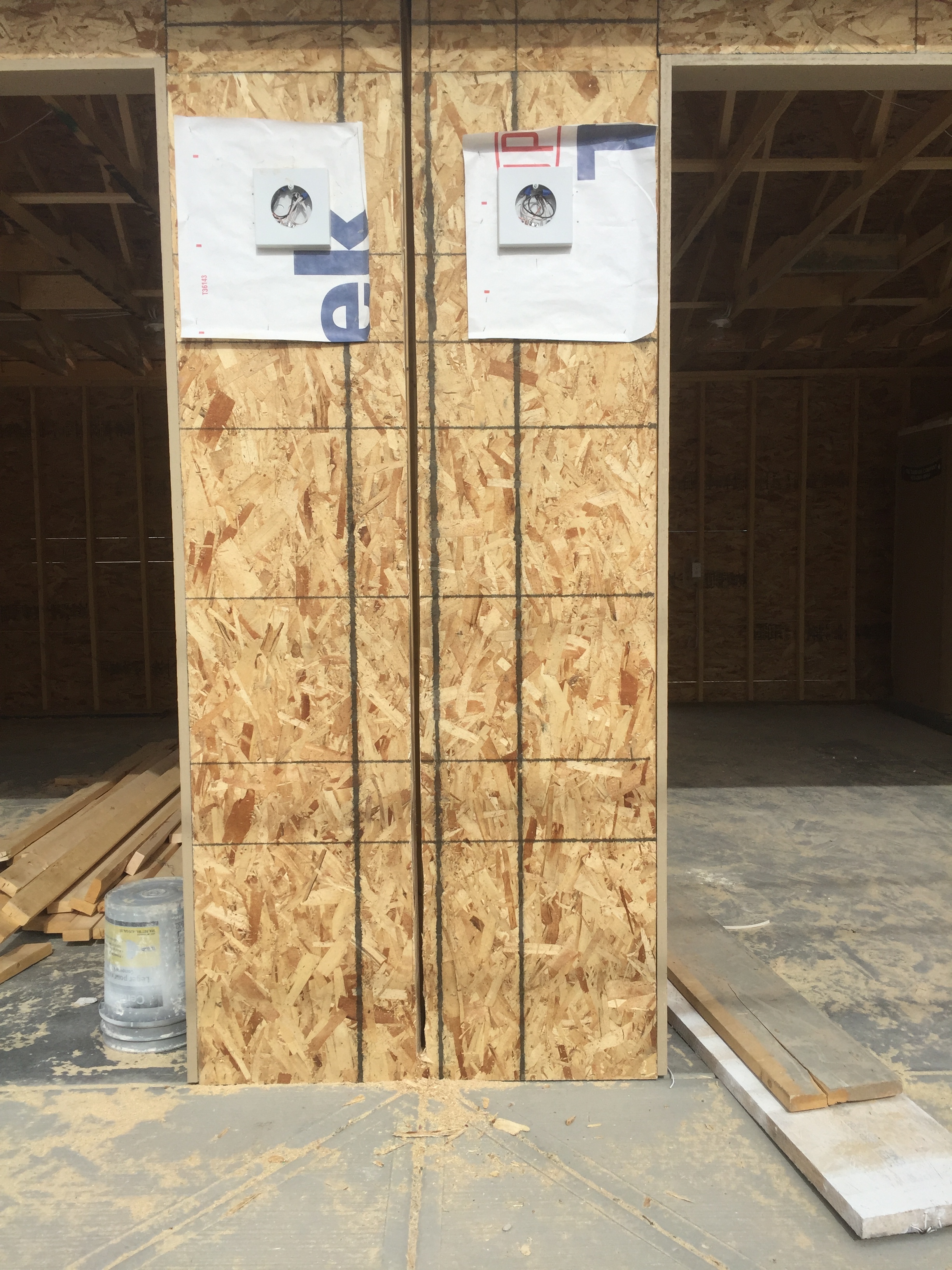
Here is my bulletin compliant garage. Note the vertical strip running up the centre the building.   I have compartmentalized the garage into two, two bay garages, rather than a single four bay structure.  This started with the prepping the…

Here is my bulletin compliant garage. Note the vertical strip running up the centre the building.   I have compartmentalized the garage into two, two bay garages, rather than a single four bay structure.  This started with the prepping the slab properly and continues into the roof. At this point I can finish the building and carry on this information to my next few projects. 

For any builders out there reviewing my comments on this topic, I am sure you may be confused.  If you contact me directly I can provide a workable slab detail, framing detail, and possibly contact for an engineer should you wish to go that route of having it inspected and stamped by a professional (which is what I did).  I am pretty sure if you look into my approach on this project you can save yourself multiple thousands of $, plus avoid some headaches of an unworkable slab detail.

Is this the best part of the project?

Sometimes it does feel like the demo is the most fun stage of building. Unfortunately it comes right at the beginning. I would prefer to delay the gratification of demolition work until six hard months of logistics and challenges are overcome.  But here it is, our 33 st site looking better than it has in 30 years. The neighbors are pleased. 


IMG_4531.JPG

What a relief.  No more uninvited guests can move in.  The abhorrent overgrown hedge will be coming down tomorrow.  What a crazy size it has grown to un-pruned over the last 20 years or so.  It is amazing how jungle like some of these properties can become.  

Hardwood - the final photo

Hardwood is done in the first house, and beginning in the second.  Right now the push is on to get the garage and landscaping completed in the next week or so.  All this seems possible and we have been blessed with a lot of nice weather.

The next step in house 1 is to get the handrails on the stairs, and move along into carpet and appliances, and the final stages of finishing such as the hardware lockout, etc.  The subdivision issue is resolving itself according to the usual timeline (i.e. painfully slow), but on track for the end of the month.

A frequent visitor is giving thumbs up to the hardwood.

A frequent visitor is giving thumbs up to the hardwood.